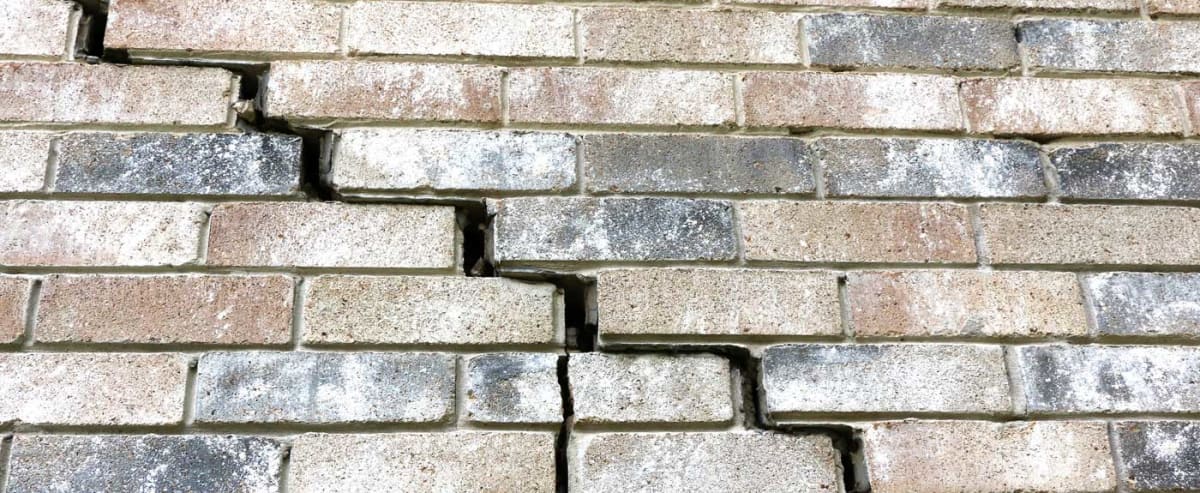
Structural movement beneath a house often begins far below the visible cracks in walls or floors. Soil conditions shift, compact, or weaken over time, causing sections of a structure to settle unevenly. Steel pier systems provide a method used by foundation repair contractors to stabilize foundations by transferring structural weight to deeper, more reliable ground layers.
Steel Piers Transfer the Home Weight to Stronger Soil Layers
A home’s foundation normally rests on soil close to the surface, which can change with moisture, temperature, and seasonal ground movement. If that upper soil loses strength, the foundation may settle unevenly and create cracks along walls or slabs. Steel piers help solve this problem by redirecting the structure’s weight downward to deeper soil layers that remain far more stable. Instead of relying on the unstable surface soil, steel support columns extend below the problem area and carry the load to stronger ground. Engineers and foundation repair contractors rely on this approach to create a dependable support path beneath the structure. Homeowners searching for foundation repair near me often learn that steel piers work because they bypass the weak soil that originally allowed the foundation to sink.
Deep Driven Piers Reach Stable Ground Below Loose Surface Soil
Surface soil tends to shift easily because it contains organic matter, loose clay, or previously disturbed fill dirt. These materials can compress under the weight of a structure. Steel piers are driven through these unstable layers until they reach soil that offers stronger resistance.
Specialized hydraulic equipment pushes each pier deep into the ground until it meets firm load-bearing strata. At that depth, the soil can support the structure without further movement. A foundation specialist near me may recommend deep-driven piers after evaluating how far stable soil sits beneath the property.
Pier Systems Lift Sections of a Settling Foundation Slowly
Once the piers reach stable ground, they can also assist in correcting settlement that has already occurred. Hydraulic lifting equipment connects to the installed piers and gradually raises portions of the structure that have sunk.
This lifting process occurs slowly to avoid damaging the building materials above. Small adjustments allow the structure to settle back into a more level position without sudden shifts. Professionals who handle foundation crack repair near me often use this careful method to reduce stress on walls, floors, and framing during stabilization work.
Load Brackets Secure the Home to Each Steel Support Pier
The connection between the home and the steel pier must be secure for the system to function properly. Heavy-duty steel brackets attach to the footing or foundation beam and lock the structure onto the pier column.
These brackets distribute the building’s weight evenly onto the steel support below. Without a strong connection point, the pier would not effectively carry the load of the home. Foundation repair contractors install these brackets precisely so the structure remains firmly supported by the pier system.
Piers Reduce Pressure Placed on Weak Upper Soil Layers
Weak surface soil often continues to shift long after foundation settlement begins. Steel pier systems help relieve pressure from those unstable layers by transferring the load downward.
By removing weight from the upper soil zones, the foundation stops relying on materials that cannot support it reliably. Homeowners who search for foundation repair near me may discover that steel piers allow the structure to remain stable even if the upper soil continues to expand or contract.
Hydraulic Drives Push Piers Deep Until Solid Resistance Forms
Installing steel piers requires powerful hydraulic drives capable of forcing the columns through dense soil layers. These machines apply steady pressure until the pier reaches a point where the soil resists further movement.
That resistance indicates the pier has reached a load-bearing layer strong enough to support the structure. A foundation specialist near me often measures this resistance during installation to verify the pier depth is sufficient.
Steel Columns Support the Structure Long After Lifting
Steel offers strength and durability that make it well suited for structural support beneath foundations. Once installed, the pier columns remain beneath the home as permanent support members. Unlike shallow repairs that rely on soil improvement alone, steel piers provide a direct load path from the building to stable ground. Experts performing foundation crack repair near me frequently recommend this system because steel components resist corrosion and maintain strength over long periods.
Pier Spacing Helps Spread Weight Across Several Support Points
Installing a single pier beneath a foundation would not provide enough stability for the entire structure. Engineers determine spacing patterns that distribute the home’s weight across several support points.
This spacing allows each pier to carry a portion of the structural load rather than concentrating stress in one location. Foundation repair contractors carefully plan pier placement so the entire foundation benefits from balanced support.
Installed Piers Limit Future Sinking from Unstable Soil
Once the steel pier system is in place, the structure relies on deeper soil layers rather than the unstable surface material. This shift greatly reduces the chance of future settlement caused by weak ground conditions. Homes that once showed signs of movement can remain stable because their weight now rests on more dependable support. Many property owners who seek foundation repair near me turn to specialists who install steel pier systems designed to address long-term soil instability. Experienced crews who specialize in structural stabilization can evaluate whether pier systems are appropriate for a settling foundation. Detailed inspections often reveal how soil conditions influence the stability of a home’s support system. Skilled professionals such as Kennedy and Sons provide services that address foundation movement while helping homeowners restore structural stability