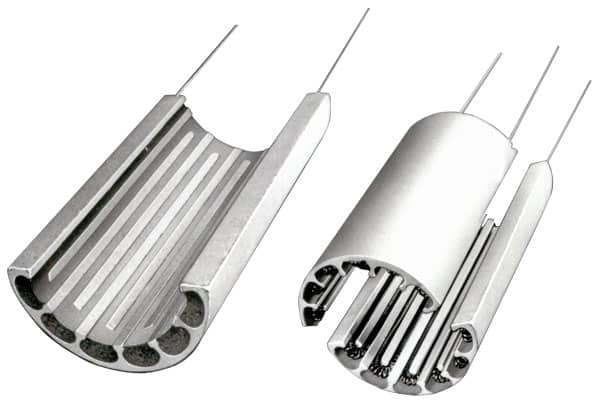
Reliable heating equipment often works quietly behind the scenes in many production environments. Consistent temperature control allows materials to form, cure, or shape correctly during processing. Strip heaters play a significant role in this process because their design converts electrical energy into evenly distributed thermal output.
Electrical Resistance Inside the Element Converts Power into Heat
Electric current flowing through a resistive material creates heat as electrons encounter resistance inside the conductor. Heater elements used inside strip heaters rely on this principle, typically using alloys designed to handle high temperatures without breaking down.
Nickel chromium and similar materials offer stable resistance even under continuous electrical load. Energy moving through these heater elements converts directly into thermal energy along the entire length of the element. Consistent resistance helps an industrial heater maintain predictable heat output during operation.
Metal Sheaths Spread Warmth Evenly Along the Heater Length
Protective metal sheaths surround internal heater elements to distribute heat across the heater body. Stainless steel or other conductive alloys often serve as the outer shell, helping transfer warmth away from the core of the heater.
Heat moving outward through the sheath spreads across the entire strip rather than concentrating in one spot. Uniform conduction helps strip heaters deliver steady temperature along their full length. Equipment designed this way prevents uneven heating that could damage surrounding materials.
Tight Contact with Surfaces Helps Transfer Heat More Steadily
Direct contact between strip heaters and the surface they heat plays a major role in performance. Air gaps act as insulators, slowing the movement of heat from the heater into the target material.
Proper installation ensures the industrial heater rests firmly against the mounting surface. Solid contact allows energy produced by the heater elements to move efficiently into molds, dies, or plates. Efficient conduction improves both heating speed and temperature consistency.
Insulated Cores Keep Energy Moving Toward the Heating Surface
Internal insulation helps control the direction of heat flow within heater assemblies. Materials such as mica or ceramic compounds surround heater elements and prevent energy from escaping toward unwanted areas.
Thermal insulation concentrates heat near the outer metal sheath where it can transfer to the heated object. Controlled energy direction allows strip heaters to operate efficiently while minimizing heat loss. Proper insulation design supports stable temperatures during extended operation.
Even Watt Density Helps Prevent Hot Spots Across the Strip
Watt density describes how much electrical power spreads across a given heating surface. Balanced watt density ensures heat distributes evenly along the strip without concentrated high temperature points.
Engineers carefully calculate watt density during the design of heater elements. Balanced power distribution allows strip heaters to warm surfaces uniformly rather than creating overheated sections. Uniform heating improves reliability for equipment that depends on precise temperature control.
Conductive Metals Carry Heat Across the Entire Heater Body
Thermal conduction allows heat energy to travel through solid metal structures. Conductive alloys used in strip heaters help move warmth across the entire heater body after electrical resistance produces the initial heat.
Metals such as stainless steel distribute thermal energy efficiently along the heater surface. Energy traveling through the metal structure helps stabilize temperature variations during operation. A well-designed industrial heater relies on this conductive behavior to maintain balanced heating.
Stable Voltage Flow Keeps Heat Output Steady During Use
Consistent electrical supply plays an important role in heater performance. Voltage fluctuations can cause heating elements to produce uneven temperatures or change output unexpectedly.
Reliable electrical circuits allow heater elements to receive steady current. Constant power supply ensures strip heaters generate predictable heat throughout the operating cycle. Electrical stability helps many heating systems maintain uniform temperature conditions.
Mounting Pressure Improves Heat Transfer into the Target Surface
Mechanical pressure between the heater and the heated surface improves thermal transfer. Firm mounting reduces small air pockets that slow the movement of heat.
Clamps, brackets, or bolts typically secure strip heaters tightly against plates or dies. Strong contact allows heat generated inside heater elements to flow quickly into the surrounding structure. Improved heat transfer helps maintain steady temperature levels in the equipment being heated.
Temperature Controls Help Maintain Steady Heating Levels
Temperature control systems regulate the output of heating equipment during operation. Sensors monitor heat levels and signal control systems to adjust electrical flow as needed.
Thermostats and digital controllers commonly manage strip heaters to maintain consistent temperature ranges. Automatic adjustments help the industrial heater respond to changes in workload or environmental conditions. Proper control systems keep heat levels stable during long production cycles.
Thermal Corporation designs heating equipment that supports consistent and dependable temperature control for many industrial applications. Their team provides strip heaters, custom heater elements, and industrial heater solutions built for durability and uniform heat distribution. Engineers working with Thermal Corporation help clients select heating components suited to specific manufacturing requirements. Businesses that rely on accurate temperature performance often benefit from equipment designed with careful attention to heat transfer and long-term reliability