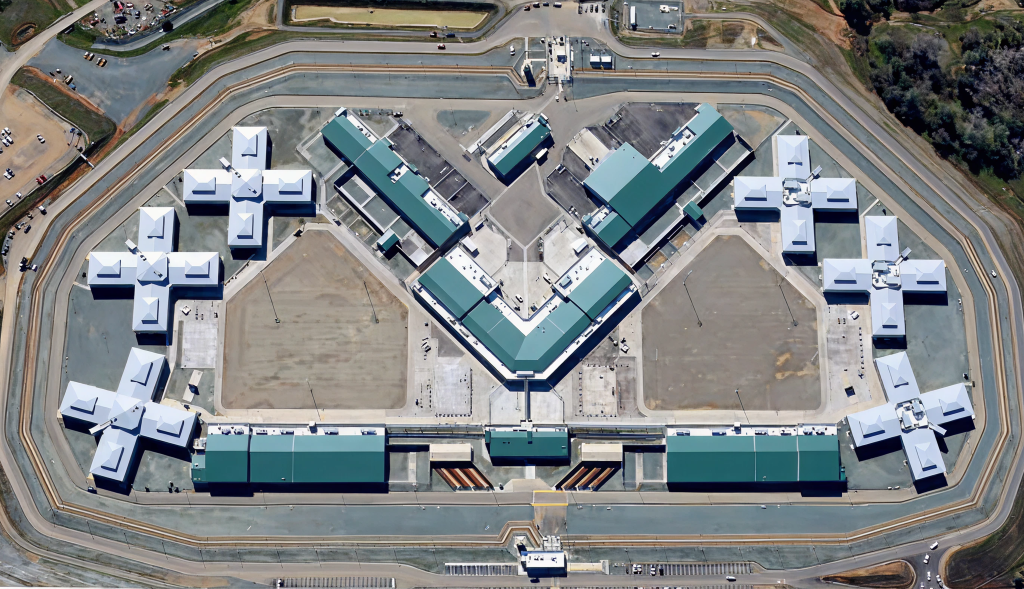
Modern detention construction has shifted toward faster timelines and repeatable layouts. Modular jails allow facilities to expand or replace housing units with greater efficiency than traditional site-built methods. For these projects to succeed, detention equipment must align precisely with factory-built modules, and that is where Cornerstone prison supply manufacturers play a defining role.
Pre Engineered Door and Frame Units Fit Modular Pods
Pre-engineered door and frame units are designed to match the dimensions of modular pods before they ever reach the job site. Modular jails rely on repeatable measurements so sections can be produced in controlled environments and then assembled quickly. Cornerstone detention center doors are built with those specifications in mind, ensuring each unit fits within standardized wall openings.
Alignment matters more in modular construction because adjustments on site slow down the schedule. Accurate fabrication allows installers to secure door and frame assemblies without field modification. Cornerstone detention equipment contractors understand how to coordinate with modular builders so that each door unit integrates cleanly into preassembled cell pods.
Welded Assemblies Align with Factory Built Cell Sections
Welded detention assemblies must match the structure of factory-built cell sections down to precise anchor points. Modular jails often arrive as finished units, leaving limited room for error during installation. Heavy welded frames and secure panels must align with mounting plates embedded in the modules.
Strong coordination between fabrication and modular design teams reduces friction during setup. Cornerstone security detention equipment contractor teams plan welded assemblies that match structural steel and panel interfaces already built into the modules. This careful preparation helps crews move quickly once units arrive on site.
Secure Hardware Installs Clean Within Prefabricated Walls
Prefabricated wall systems include reinforced cavities and access points for secure hardware. Lock sets, hinges, and control mechanisms must fit those predetermined spaces without requiring additional cutting. Hardware designed specifically for modular jails avoids delays that could occur with custom field adjustments.
Installation crews benefit from equipment that drops directly into prepared openings. Cornerstone prison supply manufacturers engineer secure hardware components to integrate smoothly within these wall systems. Clean installations maintain structural integrity and reduce the need for time-consuming rework.
Detention Grade Panels Ship Ready for Rapid Placement
Detention-grade panels often serve as dayroom partitions, shower enclosures, or secure wall infill sections. In modular jails, these panels are fabricated to match the exact footprint of factory-built cell blocks. Shipping them ready for placement reduces time spent measuring and cutting on site.
Transport stability is also a factor. Panels must arrive without warping or damage that could compromise fit. Cornerstone detention equipment contractors prepare assemblies with packaging and reinforcement methods that protect components during transit and unloading.
Lock Systems Integrate with Centralized Control Rooms
Modern detention facilities rely on centralized control rooms to manage access points. Lock systems within modular jails must communicate with electronic monitoring systems and door control panels. Integration begins at the design stage, where wiring pathways and control connections are mapped carefully.
Technicians coordinate electrical layouts so locks function reliably once modules are assembled. A Cornerstone security detention equipment contractor works alongside facility planners to ensure each lock system interfaces with the central control network. Smooth integration prevents communication gaps between modular housing units and security staff.
Reinforced Openings Match Repeatable Cell Layouts
Modular jails depend on repeatable cell layouts to maintain efficiency. Reinforced openings for doors, windows, and access panels must align across each module. Uniformity supports faster assembly and predictable installation procedures.
Consistent reinforcement prevents structural weaknesses from developing over time. Cornerstone detention center doors are designed to anchor into reinforced frames that match these repeatable layouts. This compatibility ensures each cell section performs as intended once modules are connected.
Factory Tested Components Reduce On Site Adjustments
Testing components before shipment eliminates many uncertainties. Doors, locks, and panels can be inspected and verified in controlled environments before arriving at the facility site. Factory testing identifies alignment issues and confirms proper function.
Reducing on-site troubleshooting keeps modular construction on schedule. Cornerstone prison supply manufacturers emphasize quality checks that limit field corrections. Verified components install faster and reduce disruption during phased facility expansions.
Heavy Duty Assemblies Withstand Transport and Setup
Transporting modular units exposes detention equipment to vibration and shifting loads. Assemblies must withstand this movement without loosening or deforming. Heavy-duty fabrication ensures that doors, frames, and panels maintain their alignment from factory to final installation.
Durability during transport reduces repair needs once modules arrive. Cornerstone detention equipment contractors reinforce critical joints and connection points to handle these stresses. Strong construction supports smooth setup once cranes and crews begin assembly.
Standardized Parts Support Phased Jail Expansions
Phased expansions allow facilities to add housing units without disrupting existing operations. Standardized parts make this possible because new modules can integrate with previous installations. Consistent component dimensions simplify future growth.
Uniformity in hardware and structural assemblies supports long-term planning. A Cornerstone security detention equipment contractor can supply compatible parts that match earlier phases of construction. This consistency allows modular jails to expand methodically while maintaining cohesive design.
Through coordinated fabrication, precise engineering, and experience in detention environments, Cornerstone Inc supports modular jail projects from planning through installation. Their team works closely with builders to ensure equipment aligns with factory-built modules and centralized security systems. By delivering durable components and structured integration, Cornerstone Inc helps facilities complete modular expansions with efficiency and reliability.